
The Cost of Abandoning Yourself to Keep the Peace
The Cost of Abandoning Yourself to Keep the Peace
Why Women Lose Self-Trust When They Ignore Their Own Needs
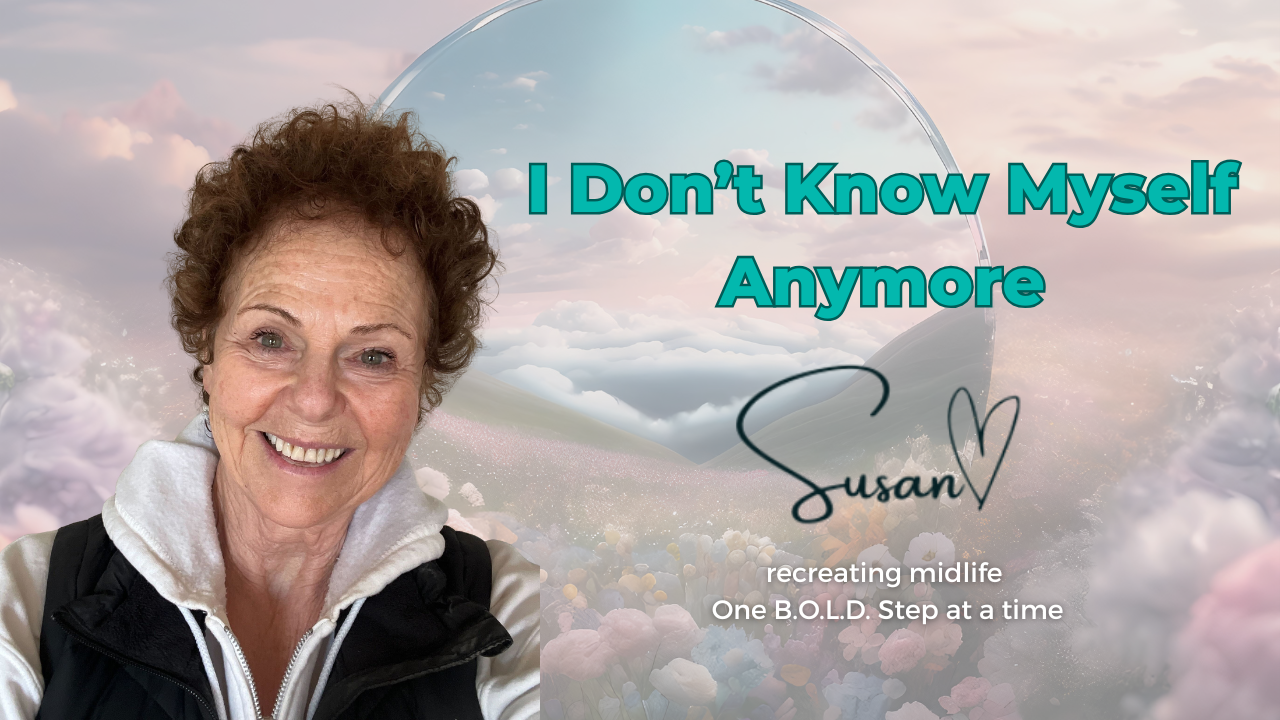
Many women don’t lose themselves all at once.
It happens quietly.
A little self-silencing here.
A little people-pleasing there.
A little compromising to avoid conflict, keep the peace, or make everyone else comfortable.
And over time, something begins to happen beneath the surface:
You stop hearing yourself clearly.
Inside Fearless Women Rising this week, one woman shared something deeply honest about boundaries, burnout, and self-trust. She spoke about slowing herself down at work because she wanted to do things properly and with integrity, while feeling pressure from others to move faster and cut corners.
Then she said something that stopped me in my tracks:
“I feel like I don’t know myself much anymore.”
That is the hidden cost of self-abandonment.
Not just exhaustion.
Not just emotional overwhelm.
But disconnection from yourself.

1. People-Pleasing Slowly Disconnects You From Yourself
Many women are taught — directly or indirectly — that being loving means being accommodating.
So we begin shaping ourselves around other people’s emotions, expectations, personalities, and urgency.
We ask ourselves:
“How do I avoid conflict?”
“What will upset them?”
“How do I keep everyone okay?”
And eventually, life becomes less about truth… and more about managing reactions.
This is how self-trust begins to erode.
Not because you are weak.
But because constantly overriding yourself becomes emotionally exhausting.
You start ignoring the quiet inner voice that says:
“This doesn’t feel right for me.”
“This pace is hurting me.”
“I matter here too.”
The more we silence ourselves to keep the peace, the harder it becomes to recognize who we truly are.
That’s why so many women eventually reach a painful realization:
“I miss myself.”
2. Boundaries Are Not Rejection — They Are Self-Respect
For many women, boundaries feel uncomfortable because they trigger guilt.
Somewhere along the way, many of us learned:
“If I disappoint someone, I must be doing something wrong.”
But healthy boundaries are not punishment.
They are protection.
Boundaries are the moment you stop abandoning yourself in order to maintain emotional peace around you.
Because peace that costs you your identity is not real peace.
True self-trust grows when you begin honoring your own needs, emotions, limits, and nervous system instead of constantly dismissing them.
This may sound like:
Saying no without overexplaining
Slowing down instead of rushing
Taking breaks without guilt
Choosing honesty over performance
Protecting your emotional energy
Refusing to shrink yourself to make others comfortable
Boundaries are not about becoming harder or colder.
They are about staying connected to yourself.
3. Your Nervous System Knows When You’ve Been Abandoning Yourself
One of the most powerful parts of this woman’s reflection was her awareness that her body was asking for something different.
She recognized she needed:
more grounding
more movement
more fresh air
less stimulation
less pressure
less coffee
more calm
That awareness matters deeply.
Because when women live in constant stress, emotional unpredictability, or pressure, the nervous system shifts into survival mode.
And survival mode disconnects us from clarity.
When your nervous system is overwhelmed:
everything feels reactive
emotions become louder
self-trust becomes harder
your inner voice gets buried beneath stress
Healing begins when we slow down enough to hear ourselves again.
Not the fearful voice.
Not the pressured voice.
But the truthful one.
The voice that says:
“This isn’t working for me anymore.”
And maybe that is where rebuilding self-trust truly begins.
Not with perfection.
Not with suddenly mastering boundaries overnight.
But by noticing the moments you leave yourself…
and gently finding your way back again.
Final Thoughts: Self-Trust Begins When You Stop Leaving Yourself
So many women are walking through life slowly disappearing inside other people’s needs while calling it:
being loving
being responsible
being accommodating
being good
Until one day they realize:
“I don’t even know myself anymore.”
If that resonates with you, you are not alone.
Self-trust is not about becoming louder, tougher, or more perfect.
It is about reconnecting to yourself honestly and compassionately.
It is about honoring your own inner truth again.
And maybe for many women right now…
that is enough.
Looking for more with Susan?
There are two ways to continue the journey:
Book A Private Call: A one-on-one conversation to help you find your path forward.
Join Fearless Women Rising, a community for women ready to live fully and rise into what's next.


You’re not behind.
You’re becoming.
One bold step at a time.

